Cannabis is a plant known for its psychoactive effects, which means it can affect the way you think, act, and feel. It contains more than 100 different chemicals called ‘cannabinoids’. The two best-known cannabinoids are:
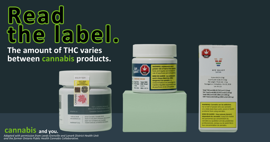
- THC (delta-9-tetrahydrocannabinol), which causes the ‘high’.
- CBD (cannabidiol), which does not cause a ‘high’, and is used for medicinal purposes such as relieving pain, anxiety and other chronic conditions.
Cannabis affects every person differently depending on how much somebody consumes, what product they use, as well as the method used. Some common methods of cannabis use include inhaling (smoking or vaping), ingesting (eating edibles or drinking), and using cannabis infused topicals (hand creams and oils).
The effects felt can be pleasant, unpleasant, or medicinal. Early and frequent cannabis use can have long-term health effects and can increase the risk of chronic respiratory issues and psychosis in those with a family history.
Cannabis, just like any drug, can lead to mental health problems and addiction.