
- The Air Quality Health Index can worsen quickly because of factors like changes in wind direction, heat, humidity, and additional burning sites.
- The air quality will fluctuate constantly from one time to another and from one place to another.
- Rainfall may help to reverse the situation, but thunders and lightning may generate additional fire sites. See below for actions you can take.
Air Quality
Air Quality Health Index (AQHI)
When the quality of the air we breathe is poor, it can affect our health.
There are 39 outside air monitoring stations across the province that collect real-time air pollution data. This information is available through Ontario’s Air Quality Health Index and gives an hourly snapshot of the air quality in the area.
Wildfire Smoke and Your Health
See also: Air Quality, Pregnancy and New Parents
Smoke can impact our health, even at very low levels. As smoke levels increase, our health risk increases.
How?
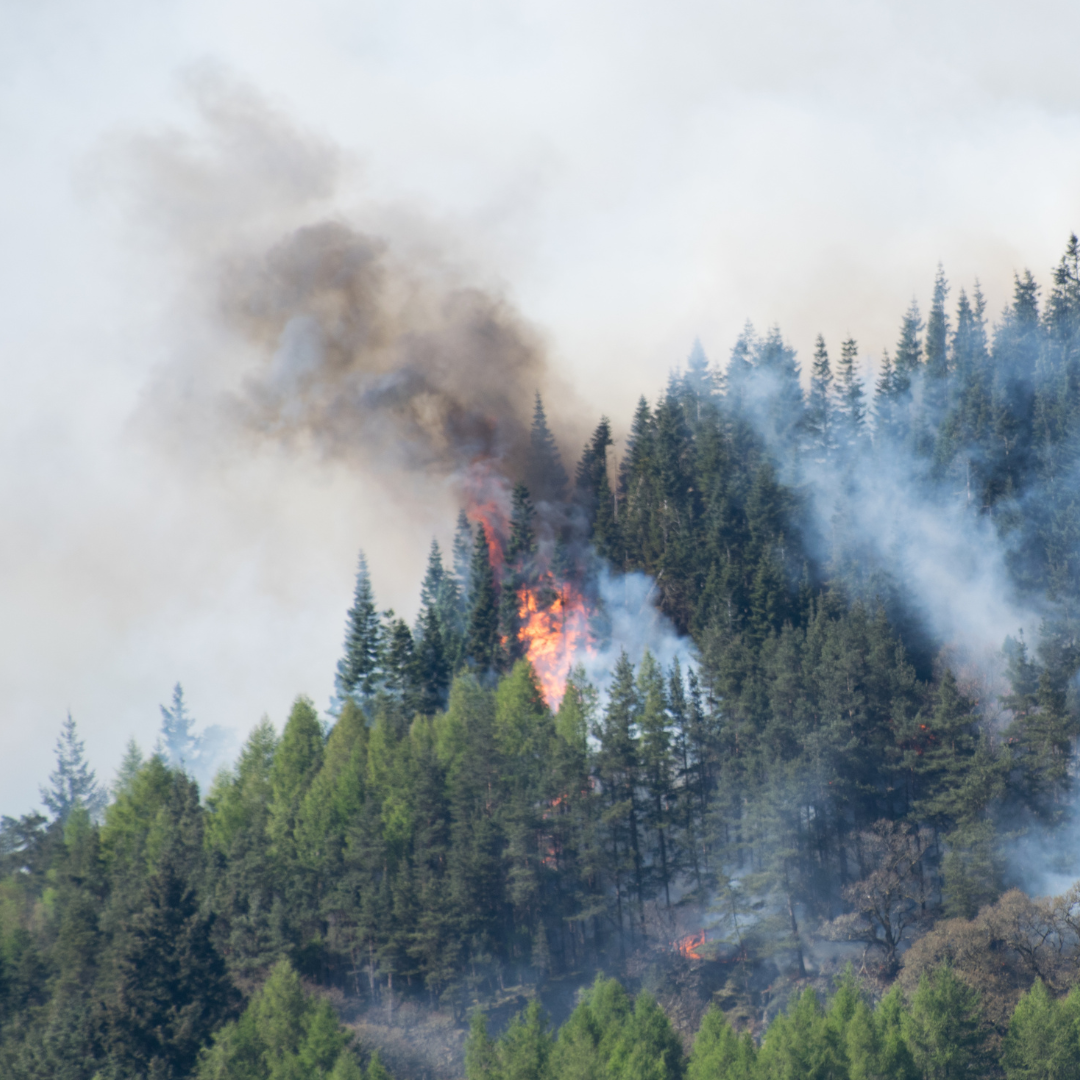
Dense smoke from wildfires can be carried hundreds or thousands of kilometres from the fire zone, and can be a major source of air pollution. This pollution may be present around us, even if we can't see or smell smoke. It's made up of gases and fine particles that go deep into our lungs and bloodstream, sometimes leading to serious health effects.
Milder and more common symptoms of smoke exposure include:
- sore and watery eyes
- runny nose and sinus irritation
- scratchy throat and mild coughing
- headache
The following symptoms are less common, but are more serious:
- shortness of breath
- wheezing (including asthma attacks)
- severe cough
- dizziness
- chest pains
- heart palpitations
Everyone is at risk from wildfire smoke, most especially small children, pregnant people, seniors, people with lung, heart or chronic health conditions and people involved in outdoor work or strenuous exercise.
There is no evidence of a safe exposure level for most of these pollutants; however, there are steps we can take to protect our bodies from the effects of wildfire smoke.
Every body responds differently to smoke. Mild irritation and discomfort are common, and usually disappear when the smoke clears.
Drinking lots of water can help your body cope with the smoke.
Move to a less smoky area, if possible.
- If you are vulnerable to the health effects of wildfire smoke and smoke levels in your community are high, evaluate whether or not it is possible to temporarily re-locate to an area with cleaner air. Follow guidance from local public health authorities.
- If wildfire smoke is affecting your breathing or making you uncomfortable in others ways, move to a less smoky area. This may include going indoors or simply moving to an outdoor area with increased clean air flow.
- If you have asthma or other respiratory conditions, avoid smoke as much as you can and take your prescribed medicine. Speak with your health care provider to get the specific advice that is right for you.
Keep cool at home and on the road.
Homes can get really hot with the windows closed. If you do go indoors to get out of the smoke, be sure the temperature indoors doesn't create additional problems for you. Use air conditioning or a fan if available and be sure to drink plenty of water to stay hydrated.
Use air conditioning in your vehicle, too, and keep the windows closed. Remember, vehicles should never be left running in a garage or other enclosed space.
Postpone outdoor physical activity.
During prolonged smoke exposure, it’s important to stay active when you can. Exercise indoors and pay attention to the Air Quality Health Index (or other indicators of smoke levels in your community). Watch for opportunities to get outside and be active if conditions improve.
If you have a hard time breathing, reduce your exercises or stop altogether.
If you must spend time outdoors, a well-fitted respirator type mask (such as a NIOSH certified N95 or equivalent respirator) that does not allow air to pass through small openings between the mask and face, can help reduce your exposure to the fine particles in smoke.
These fine particles generally pose the greatest risk to health. However, respirators do not reduce exposure to the gases in wildfire smoke.
Listen to your body and reduce or stop activities if you are experiencing symptoms.
Boost your indoor air quality.
- Avoid frying food and using smoke-producing appliances such as wood stoves, candles and incense.
- Don't smoke tobacco inside. Smoking puts added stress on your lungs and those around you.
- Hold off on vacuuming, unless your vacuum is equipped with a high efficiency particulate air (HEPA) filter. Settled dust can be removed by wiping and wet mopping after a wildfire event.
- Think carefully before using cleaning products. Refrain from using any that could improperly give off high levels of volatile organic compounds (VOCs).
- Prevent outside air from getting in by:
- properly sealing windows and doors and keeping them closed
- installing a high-quality air filter to remove particulate matter from the incoming air, in homes with forced air ventilation.
- if you have an HVAC system in your home, use the highest rated MERV filter for your system (ideally rated 13 or higher) and set the fan to recirculate air constantly. You can also use a portable High Efficiency Particulate Air (HEPA) air cleaner.
- limiting the use of exhaust fans, when not cooking.
- Other strategies include:
- using portable air purifiers, which may reduce indoor particulate levels. The frequency of air purifier changes and/or replacements depends on use and conditions. Look for certified air cleaners when possible.
- having air conditioning and humidification/dehumidification capabilities present (try to maintain humidity levels between 35 and 50 per cent).
- installing and maintaining at least one carbon monoxide alarm in the home.
Check in on friends, family, neighbours, and anyone you know who may be more vulnerable to smoke.
Take care of your mental health.
It's normal to feel anxious, stressed out, sad or isolated during a smoke event. Eating well, getting enough sleep, exercising indoors and staying in contact with friends can help.
Remember: a smoke event may last a long time, but it will eventually end. Sharing positive outlooks and attitudes will help you get through it.
Anyone who is having trouble coping with symptoms of stress, anxiety or depression should seek help from a health professional.
Visit our Mental Health page for more information and resources.
Speak with a healthcare provider.
Contact your healthcare provider or local health authority if you develop severe symptoms or need advice.
If you're at high risk of serious health effects from poor air quality, have a proactive conversation with your healthcare provider about:
- developing a management plan for wildfire smoke events
- keeping a a supply of necessary medications at home to carry with you during wildfire season
Air Quality at Home
- Protect your indoor air from outdoor pollutants – ensuring good indoor air quality is especially important during periods of poor outdoor air quality.
- Purchase a clean, good quality air filter (for example, HEPA filter) for your ventilation system, or a portable air purifier, if you're able.
- Be well-aware – protect your well water during and after a wildfire emergency.
If you're responsible for creating or managing community-based cleaner air spaces for wildfire smoke events, find advice and a simple checklist within the Cleaner Air Spaces Guidance.
Air Quality and Health
- Air Pollution and Your Health - English/French
- People at Risk of Air Pollution - English/French
- AirHealth.ca: how to reduce your health risk and your personal contribution to pollution levels, as well as for current and forecast Air Quality Health Index (AQHI) values.
- Air Quality Health Index: Provincial Summary
- Wildfire Smoke and Health: Latest information and how to reduce exposure
- Emergency Management, Forest Fire Smoke and Your Health
- FireWork: Canada's Wildfire Smoke Prediction System
Apps
Download the WeatherCAN app, available on iOS and Android devices, and receive free notifications about weather events, extreme heat and special air quality statements.
Fact Sheets
Download, print and share Wildfire Smoke 101 fact sheets:
Air Quality, Pregnancy and New Parents
If you have a baby or child in your care and are in an area with poor air quality, follow the recommendations outlined above, and check out our additional info and guidance in the tabs below to help keep your little one(s) safe and healthy.
If you have any signs of labor – including pre-term labour, call your healthcare provider or 911, or go to the hospital immediately if it is safe to travel.
Research about wildfire smoke exposure has shown increased risks for low birth rate and preterm labour including high blood pressure, breathing challenges, and parental stress. If you're pregnant and having a hard time breathing well in poor air quality, your baby's breathing could be affected as well.
As expectant parents, we can’t control everything, but we can take actions to help prevent or reduce exposure to wildfire smoke. Take care of yourself during wildfire season and other stressful events, and remember - you're doing the best you can!
The lungs of newborns are still developing; they breathe faster and take in more air per kilogram of body weight than us adults – this increases their dose of harmful pollutants.
Keep infants safe by:
- Watching for hunger cues
- Offer feeding opportunities early and often to help keep them hydrated (breastfeeding is encouraged)
- Cuddling! This can lower stress levels in both your baby and yourself.
Coverings like masks or blankets over a child’s mouth are not recommended protection for air pollution such as from wildfires – consider moving inside instead.
Contact your child's health care provider if you have any concerns.
Even if our children don’t have pre-existing illnesses or chronic conditions, they are considered at-risk of the ill effects of air pollution including wildfire smoke. They spend more time outside and tend to be more active, which means their dose from breathing is higher than adults (Sacks et al. 2011).
Research shows a higher rate of asthma emergency department visits and hospital admission for children during and after wildfires.
If you have any concerns, contact your child’s health care provider.
When air quality permits, visit our district’s public spaces such as community centres, and libraries – they often have resources we don’t have at home – and connecting with others during times of stress is important.

Emergencies & Being Prepared
Tips for building your emergency plan, and what to do when severe weather hits.

Climate Change
Climate change has direct and indirect impacts on our physical, mental, social and spiritual health.