


Head lice are tiny insects that live on the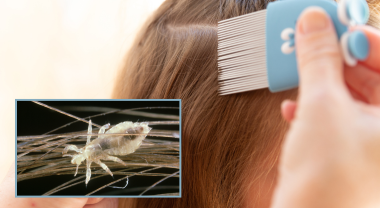 scalp, where they lay eggs (nits). They can spread easily, especially where people are in close contact. They are very common among school-aged children or children in childcare. Head lice do not spread disease.
It's not your fault if you or your child has head lice, and having head lice does not mean you are not clean.
For school-specific policies about head lice, please contact your School Board.
More Information about Head Lice |
How to Check for LiceTreatmentTalk to a pharmacist or healthcare provider for help with choosing a head lice treatment. Don't have a healthcare provider? Learn how you can connect to care in the Nipissing District or connect to care in the Parry Sound District. Head lice treatment products are free for people aged 24 and under who have a prescription and are covered by OHIP+. Head lice treatment can also be purchased without a prescription. Once you have your treatment product, follow the product instructions. Most products require two uses, 7-10 days apart. Only treat household members who actually have live lice. More Resources |
Reporting |
| Individual cases are not reportable to us. |
Should one go to childcare, school, or work if they have head lice? |
|
Those with head lice should be treated and then attend school, childcare, or work as usual. Consult with your school board, childcare, or work policy. No-nit policies are discouraged by both the Canadian Pediatric Society and the American Academy of Pediatrics. Teach your child to avoid head-to-head contact. Children should not share combs, hairbrushes, tuques, hats, or hair accessories. Note: We do not provide clearance to return to school, childcare, or work, and we do not perform head checks for lice. |
Healthcare Provider Information |
| Head Lice Infestations: A Clinical Update |
Last reviewed: Feb. 2026, by CDC