Health Topics

Skip to Content

North Bay Parry Sound District Health Unit Logo North Bay Parry Sound District Health Unit Logo Print

Contact Us
  • Public Health
    Services
    • Breastfeeding Clinic
    • Community Events and Farmers Markets
    • Dental Clinic
    • Family Health Information Line
    • Food Safety Certification Training
    • Healthy Babies, Healthy Children
    • Infection Prevention and Control Investigations
    • Inspection Results and Enforcement
    • Needle Syringe Program
    • Parenting Workshops
    • Planet Youth Nipissing
    • Prenatal Classes
    • Private Drinking Water Testing
    • The Sexual Health Clinic
    • Vaccination Clinics
    • Vaccination Records
  • Health
    Topics
    • 2SLGBTQ+
    • Air Quality
    • Alcohol
    • Animal Bites
    • Beach, Lake and Pool Water
    • Breastfeeding
    • Cancer Prevention and Screening
    • Cannabis
    • Climate Change
    • Dental Health
    • Diseases
    • Drinking Water
    • Emergencies and Being Prepared
    • Farm Fresh Eggs
    • Flu/Influenza
    • Food Safety
    • Gambling
    • Hand Hygiene
    • Healthbox
    • Healthy Aging
    • Healthy Eating
    • Heat and Humidity
    • Home Health and Safety
    • Housing and Homelessness
    • Injury Prevention
    • Intimate Partner Violence
    • Mental Health
    • Naloxone
    • Perfluoroalkylated Substances (PFAS)
    • Pet Safety
    • Physical Activity
    • Pregnancy, Infant and Child Health
    • Racism
    • Radiation
    • Reducing Weight Bias
    • Sexual Health
    • Sharps
    • Smoking, Vaping and Tobacco
    • Substance Use
    • Suicide Prevention
    • Vaccinations
    • Vision Health
  • Health Professionals
    and Partners
    • Blood and Bodily Fluid Exposures
    • Camp Providers
    • Child Cares
    • Community Resilience Learning Movement
    • Cooling Tower Property Owners and Maintenance Operators
    • Diseases of Public Health Significance
    • Designated Officers
    • Emergency Management
    • Group Homes and Shelters
    • Health Care Professionals
    • Healthy Aging Resources
    • Long-Term Care and Retirement Homes
    • Maternal Child Update
    • Municipal Resources
    • Needle Syringe Programs
    • Nutrition Resources
    • Ontario Naloxone Program (ONP) Distributing Agencies and First Responders
    • Perinatal Mental Health Care Pathway
    • Personal Service Settings
    • Report an Overdose
    • Schools
    • Teaching Kitchen
  • Community Data
    and Reports
    • Child and Youth Health Data
    • Chronic Diseases
    • Dashboards
    • Environmental Health
    • Health Behaviours
    • Indirect Impacts of COVID-19
    • Infectious Diseases
    • Injuries
    • Mortality
    • Oral Health
    • Population Demographics
    • Reproductive and Child Health
    • Substance Use Harms
    • Well-being and Mental Health
  • About Us
    • About Us
    • Accessibility
    • Board of Health
    • Careers and Placements
    • Contact Us
    • News and Events
    • Personal Health Privacy Policy
    • Programs and Services
    • RFPs and Tenders
    • 2024-2027 Strategic Plan
Search Button

Back To Top

Diphtheria

HomeHealth TopicsDiseasesDiphtheria
  • Open new window to share this page via Facebook Facebook
  • Open new window to share this page via Twitter Twitter
  • Open new window to share this page via LinkedIn LinkedIn
  • Email this page Email

Diphtheria is a contagious disease that is caused by bacteria. Anyone who has not been immunized can get diphtheria. Diphtheria can be very serious, especially for infants and very young children. It was once one of the most common causes of death in Canadian children under the age of five. Thanks to immunization, in the last 20 years, less than five cases of diphtheria are reported each year in Canada.

Local Information

2025 Statistics

Incidence rate is the number of new cases of disease divided by the number of persons at risk for the disease during a particular time period.

Cases:
0*

*Includes confirmed cases in 2025.

Incidence rate per 100,000 in 2025: 0

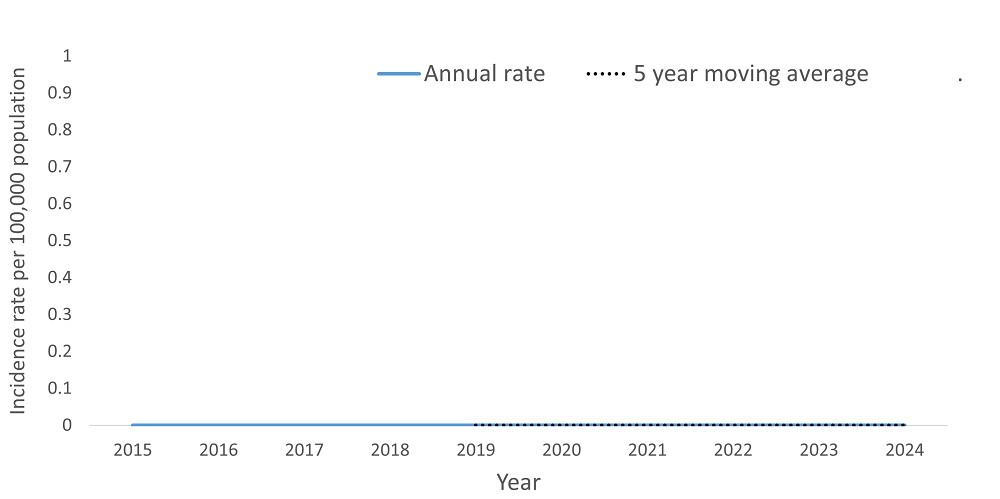
Incidence rate per 100,000 of Diphtheria by year

A line graph showing the crude rate and five year moving average of Diphtheria by year within the Health Unit region between 2016 and 2025.

Data Sources

  • Case counts (2016-2025), population estimates (2016-2023), & population projections (2024-2025): Public Health Ontario.
  • Query: Case counts of reportable diseases by public health unit and year. Toronto, ON: Ontario Agency for Health Protection and Promotion; extracted on March 9, 2026.

More Information about Diphtheria

  • Public Health Agency of Canada - English and Français 
  • Public Health Agency of Canada - Diphtheria: Advice for Travellers:  English and Français

Reporting 

Report to the Health Unit immediately by fax (705-482-0670) and phone at 705-474-1400 or toll free at 1-800-563-2808, ext. 5229 if diphtheria is suspected or confirmed as per Ontario Regulation 135/18 and amendments under the Health Protection and Promotion Act, R.S.O., c.H.7. 

After hours, weekends, and holidays, call 705-474-1400 then press 0 to speak with the Answering Service.  The on-call CDC Public Health Nurse will get back to you as soon as possible.

Should one go to childcare, school, or work if they have diphtheria? 

Contact the Health Unit. Exclusion is required, but the length is assessed on an individual case basis.

Follow the direction of your healthcare provider, public health case manager, or occupational health at your workplace. 

Vaccine Information 

Diphtheria is preventable by vaccination. Check your vaccination records or call the Vaccine Preventable Diseases program at 705-474-1400 or toll free at 1-800-563-2808, ext. 5252 to book a vaccination appointment or to obtain additional information. 

Healthcare Provider Information 


Vaccination 

In Ontario, individuals are immunized with diphtheria toxoid-containing vaccines beginning in infancy. Refer to the Publicly Funded Immunization Schedules for Ontario for information on eligibility and timing of publicly funded vaccines. Refer to Diphtheria toxoid: Canadian Immunization Guide for detailed information on the diphtheria toxoid vaccine.

Immunize Canada also has resources on diphtheria immunization for the public and healthcare professionals.

Treatment

Medical treatment should be provided immediately without waiting for laboratory confirmation. Antitoxin should be administered as soon as possible to be effective. Refer to the Diphtheria Guide for Health Care Professionals for instructions on how to access Diphtheria antitoxin.

Antibiotic treatment should also be provided to eliminate the organism and to prevent transmission. It is not a substitute for antitoxin. Refer to the Infectious Diseases Protocol, Appendix 1: Case Definitions and Disease-Specific Information, Disease: Diphtheria for additional information on treatment of cases.

Infection Prevention and Control 

Hospitalized confirmed or suspect cases and carriers of toxigenic Corynebacterium species, should be cared for as follows:

  • Pharyngeal diphtheria: In addition to routine practices, droplet precautions should be in place until two cultures from both the nose and throat collected at least 24 hours apart and at least 24 hours after completing antibiotic treatment are negative. Where culture is impractical, precautions may end after 14 days of appropriate antibiotic therapy.
  • Cutaneous diphtheria: In addition to routine practices, contact precautions until two cultures of skin lesions collected at least 24 hours apart and at least 24 hours after completing antibiotic treatment are negative.
  • Non-hospitalized carriers of toxigenic Corynebacterium species:
    • Exclude from the workplace or school until two negative cultures (nasal and throat swabs) are obtained at least 24 hours after completion of antibiotics.
    • Minimize contact with other persons in the household and practice routine and droplet precautions.

Laboratory Testing

The diagnosis of diphtheria is made by the isolation of toxigenic Corynebacterium diphtheriae from an appropriate clinical specimen. Although rare, other toxigenic Corynebacterium species (Corynebacterium ulcerans or Corynebacterium pseudotuberculosis) may cause clinical diphtheria.

Obtain swabs for culture from inflamed areas of the throat, nose and nasopharynx in symptomatic patients. If present, membranous material should also be submitted.

For detection of asymptomatic carriers, nasopharyngeal and throat swabs should be collected. Two or more specimens will increase the chance of detection of the organism.

Clinical specimens must be obtained prior to medical treatment and the administration of diphtheria antitoxin. Clinical specimens should be transported to Public Health Ontario Laboratories for testing. Refer to Diphtheria – Culture, Reference Isolates Identification Confirmation & Toxin Production Confirmation for additional information.

Testing for Diphtheria is not done for immunity/acute diagnosis/pre-vaccination screening and is only available for the rare event of an adverse reaction to Diphtheria vaccine or the possibility of humoral immunodeficiency in the patient. Refer to Diphtheria – Serology for additional information.

Post-Exposure Prophylaxis (PEP) 

PEP for Contacts Exposed to toxigenic Corynebacterium species (Corynebacterium diphtheriae or Corynebacterium ulcerans)

Diphtheria toxoid-containing vaccine:

  • Close contacts (e.g., household, classroom) of a diphtheria case with exposure in the 10 days prior to the onset of symptoms and current close contacts* of asymptomatic carriers should receive an immediate dose of diphtheria toxoid-containing vaccine as appropriate for age unless
    • the contact is known to have received at least four doses if the series was started in infancy, or three doses if started on or after seven years of age and received the last dose of diphtheria toxoid-containing vaccine in the last five years.
  • Unimmunized or incompletely immunized contacts should receive an immediate dose of diphtheria toxoid-containing vaccine and complete the primary series.
  • Refer to Diphtheria toxoid: Canadian Immunization Guide for detailed information on the diphtheria toxoid vaccine.

Antibiotic chemoprophylaxis:

  • Is to be given to all close contacts regardless of immunization status, after laboratory specimens have been collected and regardless of culture result.
  • Refer to Infectious Diseases Protocol, Appendix 1: Case Definitions and Disease-Specific Information, Disease: Diphtheria for additional information on chemoprophylaxis for contacts.

Diphtheria antitoxin:

  • Is not recommended for prophylaxis of immunized or unimmunized close contacts of diphtheria cases.

For contacts proven to be carriers, two follow-up cultures should be obtained at least 24 hours apart and at least 24 hours after completion of antibiotic therapy. If repeat cultures are positive, an additional 10-day course of treatment should be given, based on susceptibility results.

PEP for close contacts who are healthcare workers, attend school or whose occupations involve food handling, close contact with children under seven years of age or known unimmunized persons:

  • Exclude, swab their nose and throat and start chemoprophylaxis, regardless of immunization status.
  • If the culture results are negative, they may return to work or school while completing the course of antibiotics.
  • In situations where the initial culture is positive, they should remain excluded until chemoprophylaxis is complete and follow-up cultures from the nose and throat (and skin lesions, if appropriate) taken at least 24 hours after the completion of antibiotics, are negative.

*Current close contacts of asymptomatic carriers should be identified, unless there is a suspected time of acquisition, in which case all close contacts since that time should be identified.

More Resources

Public Health Agency of Canada – Diphtheria: for Health Professionals

Contact our Communicable Disease Control (CDC) program at 705-474-1400 or toll free at 1-800-563-2808, ext. 5229, or by email to cdc@healthunit.ca for more information.

Last updated: February 2026, by CDC

Health Topics
    • 2SLGBTQ+
      Toggle Section 2SLGBTQ+ Menu
      • Committing to 2SLGBTQ+ Equity
      • Homophobia
      • Pronouns
      • Sexual Orientation, Gender Identity and Expression
      • When Someone Comes Out
      • Youth and Teens
      • Positive Spaces and Other Training
      • Resources
    • Air Quality
    • Alcohol
    • Animal Bites
      Toggle Section Animal Bites Menu
      • Rabies
    • Beach, Lake and Pool Water
      Toggle Section Beach, Lake and Pool Water Menu
      • Beaches
      • Public Spas, Pools and Hot Tubs
      • Harmful Algae Blooms
      • Swimmer's Itch
    • Breastfeeding
      Toggle Section Breastfeeding Menu
      • Using a Breastmilk Substitute
    • Cancer Prevention and Screening
      Toggle Section Cancer Prevention and Screening Menu
      • Sun Safety
    • Cannabis
      Toggle Section Cannabis Menu
      • Edibles
      • Cannabis and Pregnancy to Parenting
      • Cannabis and Youth
    • Climate Change
    • Dental Health
      Toggle Section Dental Health Menu
      • Caring for Your Child's Teeth
      • Dental First Aid
      • Early Childhood Tooth Decay
      • School Screening Program
      • Water Fluoridation
    • Diseases
      Toggle Section Diseases Menu
      • Acute Flaccid Paralysis
        Toggle Section Acute Flaccid Paralysis Menu
        • Acute Flaccid Paralysis Fact Sheet
      • Amebiasis
        Toggle Section Amebiasis Menu
        • Amebiasis Fact Sheet
      • Anaplasmosis
      • Anthrax
      • Babesiosis
      • Bird Flu
      • Blastomycosis
      • Botulism
      • Bronchiolitis
      • Brucellosis
      • Camplylobacter
      • Candida Auris
      • Carbapenemase Producing Enterobacteriaceae
      • Cat Scratch Disease
      • Chickenpox
        Toggle Section Chickenpox Menu
        • Chickenpox Fact Sheet
      • Cholera
      • C. Difficile
      • Cold Sores
      • Common Cold
      • COVID-19
      • Creutzfeldt-Jakob Disease
      • Croup
      • Cryptosporidium
      • Cyclospora
      • Diphtheria
      • Ear Infections
      • Eastern Equine Encephalitis
      • Echinococcus Multilocularis Infection
        Toggle Section Echinococcus Multilocularis Infection Menu
        • Echinococcus Multilocularis Infection Fact Sheet
      • Encephalitis
      • E. coli (Escherichia coli) Infection
      • Extended-Spectrum Beta-Lactamase (ESBL)-Producing Bacteria
      • Fifth Disease
      • Flu/Influenza
        Toggle Section Flu/Influenza Menu
        • About the Flu Shot
      • Food Poisoning
      • Gastroenteritis
      • Giardia
      • Gonorrhea
      • Group A Streptococcal, Invasive (iGAS)
      • Group B Streptococcal Disease
        Toggle Section Group B Streptococcal Disease Menu
        • Neonatal Group B Streptococcus Fact Sheet
      • Haemophilus Influenzae
      • Hand, Foot and Mouth Disease
      • Hantavirus Pulmonary Syndrome
      • Head Lice
      • Hemorrhagic Fevers
      • Hepatitis A
      • Hepatitis B
      • Hepatitis C
      • HIV
      • Impetigo
      • Kawasaki Disease
      • Legionella
      • Leprosy
      • Listeria
      • Lyme Disease
      • Measles
      • Meningitis
      • Meningococcal Disease, Invasive
      • Methicillin Resistant Staphylococcus Aureus (MRSA)
      • Middle East Respiratory Syndrome (MERS)
      • Molluscum Contagiosum
      • Mononucleosis
      • Mpox
      • Mumps
      • Mycoplasma Pneumonia
      • Norovirus
      • Oropouche Virus
      • Paralytic Shellfish Poisoning
      • Paratyphoid Fever
        Toggle Section Paratyphoid Fever Menu
        • Paratyphoid Fever Fact Sheet
      • Pertussis
        Toggle Section Pertussis Menu
        • Coqueluche - Foire aux questions
      • Pink Eye
      • Pinworms
      • Plague
      • Pneumococcal Disease, Invasive
      • Polio
      • Powassan Virus
      • Psittacosis/Ornithosis
      • Q Fever
      • Rabies
      • Respiratory Syncytial Virus (RSV)
      • Ringworms
      • Roseola
      • Rotavirus
      • Rubella (German Measles) and Congenital Rubella Syndrome
      • Salmonella
      • Scabies
      • Scarlet Fever
      • Severe Acute Respiratory Syndrome (SARS)
      • Shigella
      • Shingles
      • Sinus Infections
      • Smallpox
      • Sore Throat
      • Strep Throat
      • Swimmer's Itch
      • Syphilis
      • Tetanus
      • Thrush
      • Toxoplasmosis
      • Trichinella
      • Tuberculosis (TB)
        Toggle Section Tuberculosis (TB) Menu
        • Contact of Tuberculosis (TB) Fact Sheet
        • Home Isolation for Tuberculosis Fact Sheet
        • Tuberculosis Infection Fact Sheet
        • Tuberculosis Medical Surveillance Fact Sheet
      • Tularemia
      • Typhoid Fever
      • Upper Respiratory Infection
      • Vancomycin Resistant Enterococcus (VRE)
      • Verotoxin-producing E. coli, including Hemolytic Uremic Syndrome
      • West Nile Virus and Other Mosquito-Borne Diseases
      • Yersinia
        Toggle Section Yersinia Menu
        • Yersiniosis Fact Sheet
      • Zika Virus
      • Understanding the Spread of Infection
    • Drinking Water
      Toggle Section Drinking Water Menu
      • Lead
    • Emergencies and Being Prepared
      Toggle Section Emergencies and Being Prepared Menu
      • Cleaning up after a Flood
      • Drinking Water Disinfection Instruction
      • Emergency Kits
      • Food and Water Safety for Power Outages
    • Farm Fresh Eggs
      Toggle Section Farm Fresh Eggs Menu
      • Oeufs Frais De La Ferme
    • Flu/Influenza
    • Food Safety
      Toggle Section Food Safety Menu
      • Food Poisoning Fact Sheet
    • Gambling
    • Hand Hygiene
    • Healthbox
    • Healthy Aging
      Toggle Section Healthy Aging Menu
      • Age-Friendly Communities
      • Every Step Counts
      • Volunteer
    • Healthy Eating
      Toggle Section Healthy Eating Menu
      • Community Groups & School Programs
      • Cooking and Food Skills
        Toggle Section Cooking and Food Skills Menu
        • Freezing Fruit and Vegetables
      • Find a Registered Dietitian
      • Food and the Environment
      • Food Insecurity
      • Get Cooking
      • Healthy Food for Life
        Toggle Section Healthy Food for Life Menu
        • Feeding Your Baby
        • Feeding Your Preschooler
        • Feeding Your School-Aged Child
        • Nutrition During Pregnancy
        • Nutrition Programs and Services for Older Adults
      • Healthy Recipes
        Toggle Section Healthy Recipes Menu
        • A Cut Above the Roast
      • Northern Fruit and Vegetable Program
        Toggle Section Northern Fruit and Vegetable Program Menu
        • Le Programme de distribution de fruits et légumes dans le Nord de l’Ontario
      • Food for Thought
    • Heat and Humidity
    • Home Health and Safety
    • Housing and Homelessness
      Toggle Section Housing and Homelessness Menu
      • Homelessness Factors
      • Homelessness Prevention
      • Housing is a Health Issue and a Human Right
      • Stigma and its Impacts
    • Injury Prevention
      Toggle Section Injury Prevention Menu
      • Concussions
      • Helmets
    • Intimate Partner Violence
    • Mental Health
      Toggle Section Mental Health Menu
      • 5 Ways to Well-being
        Toggle Section 5 Ways to Well-being Menu
        • Be Active
        • Connect
        • Give
        • Keep Learning
        • Take Notice
      • Mental Health Services
        Toggle Section Mental Health Services Menu
        • Pregnant, Postpartum and Families with a Baby
      • Postpartum Mood Disorders
    • Naloxone
      Toggle Section Naloxone Menu
      • Naloxone Training FAQ
    • Perfluoroalkylated Substances (PFAS)
    • Pet Safety
    • Physical Activity
      Toggle Section Physical Activity Menu
      • Active Transportation
      • Physical Activity Resources
        Toggle Section Physical Activity Resources Menu
        • Exercise Class Schedule
        • Virtual Exercise Classes
    • Pregnancy, Infant and Child Health
      Toggle Section Pregnancy, Infant and Child Health Menu
      • Infant Feeding Survey
      • Parenting
        Toggle Section Parenting Menu
        • Caring for Baby
      • Pregnancy
    • Racism
    • Radiation
    • Reducing Weight Bias
      Toggle Section Reducing Weight Bias Menu
      • Body Positivity
    • Sexual Health
      Toggle Section Sexual Health Menu
      • Birth Control
      • Men’s Sexual Health (Guys into Guys)
        Toggle Section Men’s Sexual Health (Guys into Guys) Menu
        • Santé sexuelle chez les hommes : pour les hommes qui aiment les hommes
      • Preconception Health
      • Pregnancy Testing and Options
      • PrEP
      • Sex After Having a Baby
      • Sexually Transmitted Infections
      • Sex & COVID-19
    • Sharps
      Toggle Section Sharps Menu
      • Safe Sharps Handling and Disposal
    • Smoking, Vaping and Tobacco
      Toggle Section Smoking, Vaping and Tobacco Menu
      • Quit Smoking
      • Arrêter de fumer ou de vapoter
      • Smoke-Free Spaces and the Law
      • Vaping and E-cigarettes
      • Vapotage et cigarettes électroniques
    • Substance Use
      Toggle Section Substance Use Menu
      • Drug-Related Stigma
        Toggle Section Drug-Related Stigma Menu
        • Let's work together to: Stop the shame. Stop the blame. Stop the stigma.
      • Healthy High - Risk-Taking Can Be Healthy
      • Methamphetamine Use
      • Opioids
      • Social Determinants of Health
      • Substance Use Retail Fact Sheets
    • Suicide Prevention
    • Vaccinations
      Toggle Section Vaccinations Menu
      • Adult Information
      • Child Care Information
        Toggle Section Child Care Information Menu
        • Vaccination Information for Parents
      • COVID-19 Vaccines
      • Hepatitis B Vaccine Information
        Toggle Section Hepatitis B Vaccine Information Menu
        • Informations sur le vaccin de l'hépatite B
      • HPV Vaccine Information
      • Meningococcal Disease Vaccine Information
        Toggle Section Meningococcal Disease Vaccine Information Menu
        • Informations sur le vaccin contre la méningococcie
      • Publicly Funded Immunization Schedule
      • School Information
        Toggle Section School Information Menu
        • Informed Consent
        • Consentement éclairé
      • TB Testing
      • Tetanus, Diphtheria and Whooping Cough Vaccine Information
        Toggle Section Tetanus, Diphtheria and Whooping Cough Vaccine Information Menu
        • Adacel et Boostrix Vaccins
      • The Law, Exemptions, Suspensions and Exclusions
        Toggle Section The Law, Exemptions, Suspensions and Exclusions Menu
        • Suspension Process
    • Vision Health

Contact Us

Subscribe to this page

North Bay Parry Sound District Health Unit Footer Logo

  • Website

    • About Us
    • Employment Opportunities
    • News
  • Links

    • Accessibility
    • Privacy
    • Sitemap
    • Staff Intranet
  • Resources

    Increase Contrast

Your lifetime partner in healthy living!

Copyright 2022 North Bay Parry Sound District Health Unit

By GHD Digital

Browser Compatibility Notification

It appears you are trying to access this site using an outdated browser. As a result, parts of the site may not function properly for you. We recommend updating your browser to its most recent version at your earliest convenience.