



 Back to Search
NEWS RELEASE
For immediate release: May 4, 2026
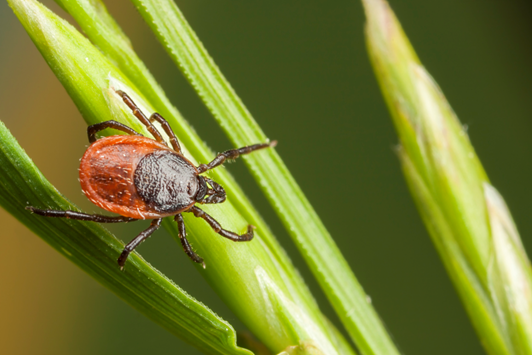
NORTH BAY, ON – As a new season brings warmer temperatures and people spend more time outdoors, the North Bay Parry Sound District Health Unit (Health Unit) is encouraging the public to become more aware of ticks. The campaign comes after the Health Unit recorded its highest number of Lyme disease cases in 2025, with 71 per cent of cases reporting local tick exposure.
Ticks are small blood-sucking insects that cannot fly. They live in wooded, tall grass or brushy areas and attach themselves to passing animals or people. Blacklegged ticks, also known as deer ticks, can carry diseases such as Lyme disease, anaplasmosis, babesiosis and Powassan virus, and transfer it to humans and animals by biting into one’s skin.
Not everyone who is bitten by an infected blacklegged tick will develop signs and symptoms of disease; however, others may notice symptoms anywhere from three to 30 days after the bite. Lyme disease is often but not always identified by a growing bullseye rash. Common symptoms of Lyme and other tick-borne diseases include fever, chills, feeling tired, nausea, and body aches and pains. If left untreated, other symptoms may develop, including problems with your heartbeat, breathing, balance, short-term memory, and facial paralysis.
While most ticks do not carry diseases, doing one’s part to prevent tick bites has become increasingly important, as they have been migrating to the Parry Sound and Nipissing districts and surviving longer throughout the year due to a rise in average temperatures.
“Ticks are most active in spring and summer but can be found at any time of the year when the temperature is consistently above freezing and the ground is not covered by snow,” says Ashley Lawson, a public health nurse in the Health Unit’s Communicable Disease Control program. “Whether you’re camping, hiking, gardening, walking the dog or spending time with your kids, a few small actions can make a big difference in reducing the risk of Lyme disease for you and your loved ones.”
Methods to prevent tick bites:
- Wear light-coloured clothing to spot them easily.
- Tuck pants into socks and wear long-sleeved clothing.
- Use bug repellant with 20 to 30 per cent of DEET
- Be careful walking in wooded areas or on trails with overgrown shrubs. Try to stay on cleared paths.
- Keep grass on your property cut short and remove tick habitats from around your home.
- Check for ticks on your clothes and skin, and on any children or pets in your care. Pay special attention to areas such as the groin, belly button, armpits, scalp, and behind the ears and knees.
- Inspect outdoor gear.
- Take a shower and wash your outdoor clothes when possible.
- Use fine-tip tweezers or a tick removal tool to grab the tick close to the skin, at its head.
- Pull straight up. Do not twist.
- Wash the bite area.
- Visit myhealthunit.ca/ticks for tools to identify the tick and assess your risk of infection.
When returning indoors:
- Check for ticks on your clothes and skin, and on any children or pets in your care. Pay special attention to areas such as the groin, belly button, armpits, scalp, and behind the ears and knees.
- Inspect outdoor gear.
- Take a shower and wash your outdoor clothes when possible.
If you find a tick on you...
- Use fine-tip tweezers or a tick removal tool to grab the tick close to the skin, at its head.
- Pull straight up. Do not twist.
- Wash the bite area.
- Visit myhealthunit.ca/ticks for tools to identify the tick and assess your risk of infection.
Remove the tick from your skin as soon as you find it. If you cannot remove the tick, are not feeling well, or have other concerns, see a healthcare provider. For tick-related concerns regarding pets, consult a veterinarian.
– 30 –
Quick Facts
- The risk of infection from a tick bite is low if the tick is removed within 24 hours.
- The earlier treatment is received, the better.
- A breakdown of symptoms by tick-borne disease is available on the Ontario Ministry of Health website.
- For data on tick-borne and mosquito-borne diseases in Ontario over time and by region, use Public Health Ontario’s Vector-Borne Disease Tool.
Media Inquiries
Kylie Wurdell, Public Relations SpecialistP: 705-474-1400, ext.5221 or 1-800-563-2808
E: communications@healthunit.ca
 Subscribe
Contact Us